Podiatry Billing Services that Maximize Reimbursements
Diabetes centers, foot and ankle groups, solo podiatrists, and independent podiatry clinics each have their unique billing requirements and rules that demand expertise. To resolve your billing challenges, eClaim Solution offers podiatry billing services that help boost cash flow, improve reimbursements, and reduce denials. You can run your practice smoothly, without any stress.

Clean Claim Rate (CCR): 98%
Book A Free Consultation
We’ll respond within one business hour.

Accounts Receivable (AR) Days: < 30 Days
Why Podiatry Billing Requires Specialized Expertise
Unlike other medical specialties, podiatry billing has unique reimbursement issues that require specialized knowledge. This means every claim should be coded correctly and comply with payer requirements.
Without specialty-based billing, practices can face denials, payment delays, potential regulatory violations, and lost revenue.

Complex Coding Issues
In podiatry, different treatments require specific codes. Whether it involves surgery, nail care, injections, wounds, or orthotics, each requires its own code. Correct coding prevents claim rejection and reimbursement delays.

Foot Care Service Denials for Medicare
Foot care service denials are among the most common ones on Medicare. Medicare covers them only when you strictly follow medical-necessity guidelines and provide appropriate documentation.

High Documentation Sensitivity
Claims for podiatry procedures demand strong documentation. Absence of information like risk factors or presence of neuropathy or vascular conditions leads to claim denial.

Orthotics and DME Billing Challenges
Orthotics and DME billing involve prior authorization, documentation, and payer compliance. Noncompliance leads to frequent claim denials.
Comprehensive Podiatry Revenue Cycle Management Services
eClaim Solution’s podiatry medical billing services cover the full revenue cycle, from verifying patient insurance eligibility to posting the final payment.
Insurance Eligibility Verification
We verify patient insurance eligibility before each appointment to reduce the risk of claim rejection or billing issues.
01
Prior Authorization
We handle prior authorization requests, submit required documentation, and communicate with payers to prevent treatment delays.
02
02
Medical Coding and Charge Entry
Certified medical billers code your patients’ procedures using CPT, ICD-10, and HCPCS codes and enter accurate charges.
03
Claim Submissions
We submit claims electronically for prompt processing and utilize sophisticated claim scrubbing software to reduce rejections.
04
Posting Payments and Write-Offs
We ensure accurate posting of payments, adjustments, and write-offs for greater financial clarity.
05
05
Accounts Receivable Management
We handle follow-ups on unpaid claims, reimbursement appeals, and outstanding reimbursements.
06
Patient Billing and Collections
We manage patient statements and collections to improve recovery rates while maintaining a smooth patient experience.
07
Podiatry Billing Gaps That Cause Denials

60-Day Rule for Foot Care Services
Some treatments are strictly excluded from basic coverage, such as trimming toenails, removing corns, and cutting calluses, because they’re considered “routine foot care” and require clear documentation for reimbursement. Further, for routine foot care services, some payers, including Medicare, limit frequency to 60 days, meaning you can bill these services only once every 60 days; otherwise, denials occur.
01

Misusing or Omitting Q-Modifiers (Q7, Q8, Q9)
In podiatry billing, using modifiers is necessary to prove medical necessity for treatments. Attach class-finding modifiers to routine foot care (like nail debridement or callus removal) to help submit clean claims. Use Q7 (Class A systemic findings), Q8 (Class B findings like absent pulses), or Q9 (Class C findings like severe edema) to establish medical necessity.
02
03

Nail Debridement vs. Routine Trimming
Insurance doesn’t cover routine trimming or standard cosmetic treatments, so billing CPT code 11720 always requires documentation or clinical proof that removing mycotic (fungal), dystrophic, or severely thickened nail material is medically necessary.
04

Lack of Medical Necessity Documentation
The Centers for Medicare and Medicaid Services (CMS) and other commercial payers require clinical proof for routine foot care, nail debridements, and chronic wound treatments. Missing documentation and mismatches between diagnosis and procedure codes lead to denials.
Accurate Podiatry Coding, Documentation & Medicare Compliance (CPT, ICD-10 & Modifiers)
Proper coding and documentation are essential for effective podiatry billing and reimbursement. Coding mistakes or inadequate documentation can cause denials, payment delays, or Medicare audits.
CPT Codes Accuracy
Podiatry CPT codes include 11720/11721 for nail debridement, 11055-11057 for callus removal, and 97597/97598 for wound debridement. Misuse of the code or lack of clinical connection can lead to denial or improper payment.
ICD-10 Codes Adherence
Use codes such as E11.40 (Diabetes mellitus with neuropathy), L97.509 (Foot ulcer), and B35.1 (Nail fungus) appropriately to justify the procedure. An inadequate or missing connection to the diagnoses can lead to claim denial.
Use of Correct Modifiers
Modifiers such as 25, 59, RT/LT, and Q7/Q8/Q9 should be accurately used in podiatry billing. Incorrect use or missing modifiers can delay payments.
Specialized Billing for Diabetic Foot Care, Wound Care & Orthotics

Diabetic Foot Care Billing
Patients with diabetes often need ongoing foot care, but reimbursement depends on accurate documentation. We provide proper billing for:
- Diabetic foot examination
- Neuropathic treatment
- Evaluation of ulcer risks
- Foot care visits
Wound Care Billing
Wound care services, such as debridement, require proper coding and documentation. We manage your billing for:
- Wound assessment
- Debridement
- Visitations after treatments
- Justifying medical necessity
Orthotics & DME Billing
Claims for orthotics & DME are often carefully reviewed by the payers. We take care of:
- Custom orthotics billing
- Suppliers' documentation
- Prior authorizations
- Requirements of Medicare
Payer-Specific Challenges in Podiatry Billing
Medicare
Medicare has stringent requirements for Local Coverage Determinations (LCDs), particularly for routine foot care and diabetes-related foot services. Claims must demonstrate medical necessity, ICD-10 correlation, and appropriate documentation.
Medicaid
Medicaid coverage policies differ by state, and some states may have additional criteria for covered podiatry procedures. Prior authorization and eligibility determination are crucial to prevent claim rejections.
UnitedHealthcare (UHC)
UHC frequently requires prior authorization for certain podiatry procedures and performs strict medical-necessity checks. Lack of proper documentation might result in claim denial.
Aetna
Aetna closely reviews clinical documentation and modifier use. Claims without a procedure indication or with incorrect code alignment tend to be delayed or denied.
Cigna
Cigna follows strict coverage guidelines for podiatry services, especially orthotic treatment and wound care. Prior authorization and accurate documentation are essential for reimbursement.
Humana
Humana uses service-specific coverage limitations and demands accurate diagnosis/procedure correlation. Claims need proper documentation to pass through successfully.
Blue Cross Blue Shield (BCBS)
BCBS policies vary by region and generally require prior authorization for high-cost podiatry procedures. Documentation and policy alignment are crucial for claim approval.
How We Improve Podiatry Revenue Cycle Performance & Denial Management
Our approach combines denial management, accurate coding, and revenue cycle management to maximize reimbursements while minimizing revenue leakage.
1
High Clean Claims
Before submission, we ensure that our claims have been adequately coded and documented in compliance with payer policies. This increases the chances of a successful initial submission.
2
Decreased Reimbursement Cycle
With fewer errors and faster claim submission, we help practices receive payments faster and more efficiently.
2
3
Reduced AR Days
With our accounts receivable follow-up process, we work on outstanding, aged claims and reduce the amount patients owe practices.
4
Revenue Recovery and Denial Management
We thoroughly analyze all denied claims, identify the root causes, fix them, and resubmit them with appropriate documentation and coding.
4
5
Reduced Denial Rates
We are proactive in identifying triggers for denials, such as lack of medical necessity, incorrect modifiers, and documentation issues, before submission of claims.
Healthcare Compliance & Regulatory Standards for Podiatry Billing
HIPAA Compliance
We safeguard patients’ information through secure medical billing processes, data encryption, and compliant procedures across all operations.
01
Medicare Billing Policies & LCD Policy Compliance
All billing activities adhere to Medicare policies, including Local Coverage Determinations (LCDs).
02
OIG Compliance & Fraud Prevention Standards
All our billing complies with the standards set by the Office of Inspector General (OIG) to prevent fraud in billing.
03
Documentation Audits
We carry out regular documentation audits to identify any documentation errors and compliance issues before billing submission.
04

Billing Compliance Review
We continually monitor the process to ensure compliance with changes in payers’ policies and industry standards.
05
Seamless EHR & Practice Management System Integration
eClaim Solution integrates with top healthcare software, including Epic, Cerner, Athenahealth, eClinicalWorks, Kareo, and AdvancedMD.
Key Benefits of Integration

Instantly updates clinical and billing information.
Minimized human errors.
Rapid filing of claims.
Improved workflows.
Streamlined coordination.
Why Should You Outsource Podiatry Billing Services?
Podiatry billing outsourcing streamlines operations, reduces costs, and increases revenue through skilled billers.
Less Administrative Effort
Less administrative work lets your team focus on higher-priority tasks.
01
Accurate Coding
Billing professionals minimize mistakes regarding CPT, ICD-10, and modifiers.
02
Increased Reimbursements
Better coding and follow-up increase claim revenue.
03
Faster Claims Process
An effective workflow ensures faster claim filing.
04
Compliance with Regulations
Billing will always comply with laws such as HIPAA and Medicare.
05
Flexible and Scalable Services
Billing processes can scale with your business growth.
06
Why Choose eClaim Solution for Podiatry Billing
Clean Claim Rate (CCR)
8-10% Reduction
Denial Rate
Appeal Success Rate
Accounts Receivable (AR) Days
Coding Accuracy (CPT / ICD-10)
Specialties We Cater To Apart From Podiatry


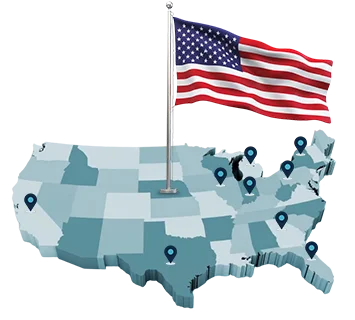
Serving Podiatry Practices Across Your State
We offer our podiatry billing services in 10+ states across the United States.
Start Boosting Your Podiatry Billing Revenue With eClaim Solution.
Partner with eClaim Solution to optimize your revenue cycle management, reduce claim denials, and improve efficiency with podiatry billing services.
- No Delays
- HIPAA-Compliant
- Faster Billing
Frequently Asked Questions (FAQs)
Podiatry billing refers to coding and managing claims for podiatry services. This includes procedures such as general foot care, wound care, diabetic foot care, and orthotic procedures.
These services include insurance verification, medical coding, charge entry, claim submission, payment posting, AR follow-up, denial management, and patient billing.
Claims are denied for lack of medical necessity, incorrect modifiers, insufficient documentation, and noncompliance with payer guidelines.
Medicare covers podiatry services only if the medical-necessity conditions are met, especially through LCDs.
Diabetic foot care billing depends on the patient’s risk level, medical necessity, and diagnoses such as neuropathy or the likelihood of developing ulcers.
To minimize denials, use accurate coding, pre-claim reviews, documentation validation, and proactive denial management.
Prior authorization ensures the insurance company approves certain treatments, helping avoid claim rejections.
Processing time varies by payer, but clean claims usually take 14-30 days to process. Proper coding and documentation greatly speed up the process.